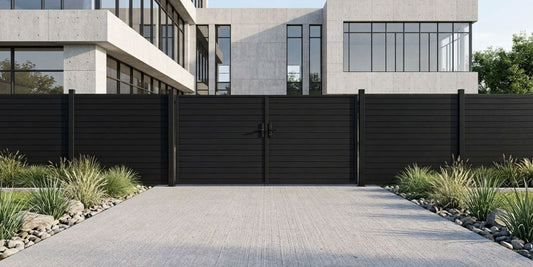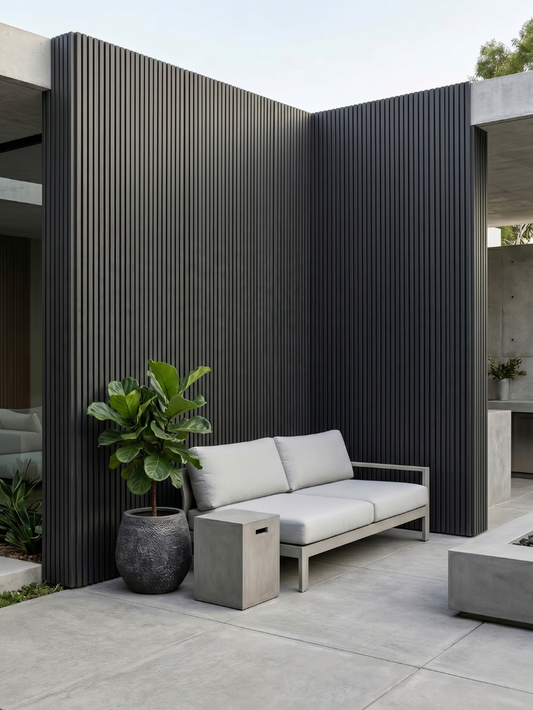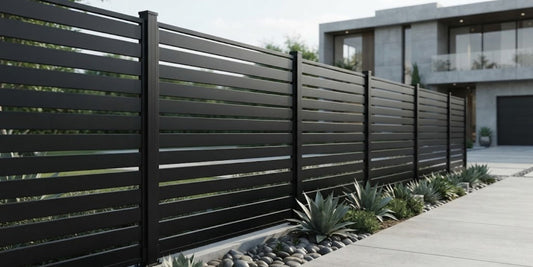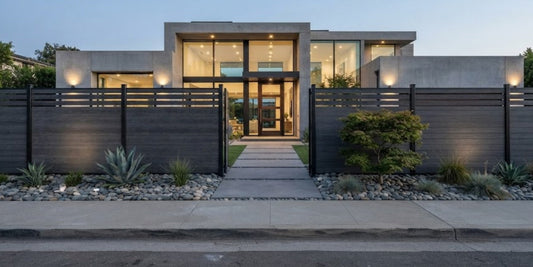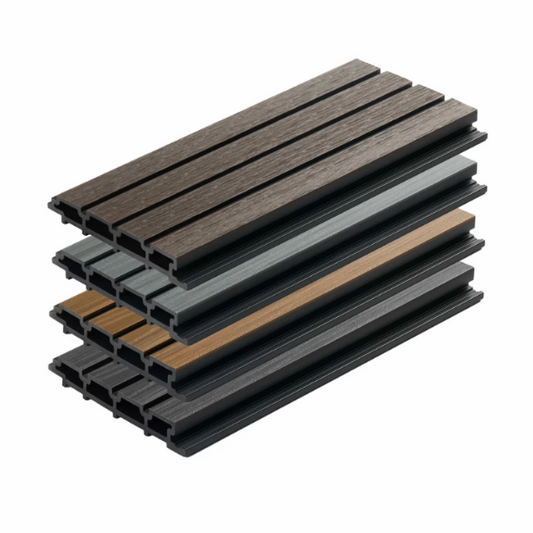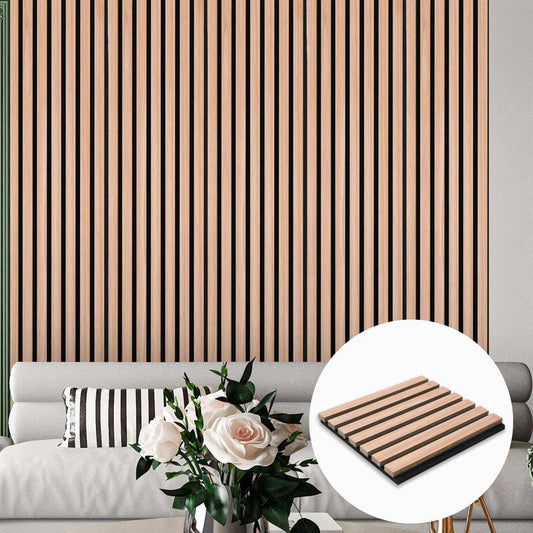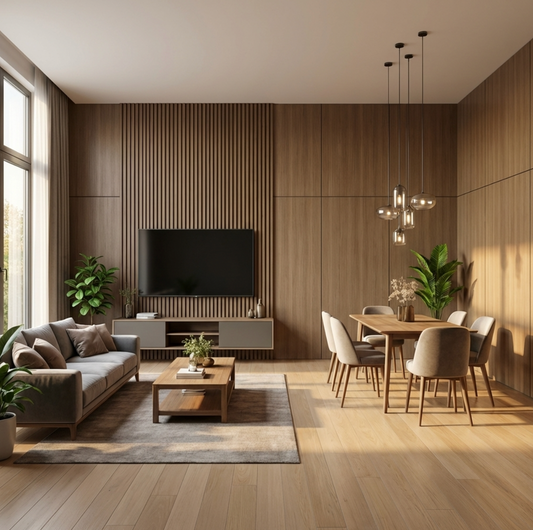

Picking a fence these days isn’t just about marking boundaries or keeping things private. For most homeowners, it’s about the vibe. How does your yard feel the moment you step outside? That’s where composite fence colors come in. A suitable exterior paint color can turn your outside area into another place. It may make your space feel pleasant, modern, or bold, and even without any other changes, it can seem to be very calm.
You have just landed at the perfect place if you are looking for items that are both aesthetically pleasing and very fashionable and practical as well as high quality for a long time. Let’s break down the best composite fence colors, how they work with different yard styles, and what really performs well over time, no marketing fluff.
Why Composite Fence Colors Matter More Than You Think
Your fence is always there. Every day. The yard is being designed in an attractive way without being praised. If the color is not chosen well, the area will look crowded or uneven. A good one blends in so naturally that everything else just looks better.
Unlike paint or stain, composite fencing color isn’t something you redo every couple of years. The color is built into the material. So once you choose it, you’re basically locked in for the long run. That’s why picking the right shade from day one actually matters.

Best Composite Fence Colors Homeowners Genuinely Love
Here we have listed the top composite fence colors you will definitely love.
Natural Brown and Walnut Tones
Brown shades are still at the top when it comes to best composite fence colors, and honestly, it makes sense.
They:
-
Blend perfectly with grass, plants, and landscaping
-
Give you that wood look without cracking or splintering
-
Fade evenly instead of looking patchy over time
This is the sweet spot, if you love the warmth of wood but hate maintenance.
Modern Gray Shades for a Clean Look
Gray has low-key become a favorite, especially in newer homes and renovations. It’s calm, modern, and super easy to match.
-
Light gray keeps small yards feeling open
-
Medium gray feels balanced and neutral
-
Dark gray adds depth without going full black
If you’re into current composite fence design trends, gray is everywhere — and for good reason.
Charcoal and Black for Bold Contrast
Dark fences aren’t shy. They make a statement.
-
They pop beautifully against greenery
-
Look amazing with modern architecture
-
Make lighter furniture and décor stand out
Best for larger yards or spaces with good lighting, so things don’t feel too heavy.
Cedar and Redwood-Inspired Shades
This is for people stuck between old-school charm and modern convenience.
-
Perfect if you’re comparing composite fence vs wood
-
No peeling, warping, or weird fading
-
Works great in suburban and rural setups
If resale value is on your mind, this is usually a safe bet.
Light Sand and Driftwood Colors
These don’t get enough credit. Lighter composite fence colors can completely change how a space feels.
-
Make small yards feel bigger
-
Reflect light instead of absorbing
-
Ideal for neutral style homes
Yes, they might need the occasional clean, but still way less effort than painted wood.
Composite Fence Textures: Where Color Really Shines
Color is just part of the tale. The composite fence textures build a wilderness of realities that the flat panels simply cannot achieve.
Common options include:
-
Deep wood grain for a natural feel
-
Smooth finishes for modern designs
-
Matte or brushed surfaces to reduce glare
The right texture can soften dark colors or make lighter ones feel more premium.
Composite Fence vs Wood: How Color Performs Over Time
This is where composite fencing really wins. In a true composite fence vs wood comparison, color durability is a big difference.
Wood fades unevenly. The direct influence of sun, rain, and temperature fluctuations leads to quick deterioration. Composite fence finishes are formulated for UV rays and water resistance, hence the slow and even fading.
There is no need for repainting.
No repainting. No restrain. What you see early on is pretty much what you’ll get for years.
Composite Fencing Ideas Based on Yard Style
We make it simple by sorting it on the basis of yard style.
Small yards:
Go for lighter shades or soft grays to keep things open.
Large properties:
Darker browns or charcoal tones add attractive structure without being overwhelmed.
Privacy focused homes:
Deeper colors with vertical panels create a solid, secure look.
Design-driven spaces:
Mix composite panels with metal posts or stone accents for standout composite fencing ideas.
Practical Tips Before You Lock in a Color
-
Harmonize the fence to your house exterior, not only the yard
-
Verify the amount of direct sunlight that the fence will receive
-
Consider long-term benefits instead of just current trends
-
It's important to see samples outdoors, not under showroom lights
These little choices made now will lead to big regrets in the future.
Final Thoughts
The appropriate composite fence colors should not be attention-grabbing. Instead, they should be able to integrate your yard completely, coordinate with your house, and present the same appearance year after year. If you prefer earthy wood colors, cool gray colors, or striking black finishes, composite fencing not only provides you with style but also takes away the maintenance headache.
Tags:
Previous
Everything You Should Know About Composite Fencing
Next
Thinking About Composite Fencing? Here’s What You Should Know First